

Imagine sitting by the seaside, the sun warming your skin, with a table full of small plates, fresh bread, and the scent of grilled meat wafting through the air. This is the essence of Greek food. It is a cuisine that does not rely on heavy sauces or complicated masking techniques. Instead, it celebrates the raw beauty of high-quality ingredients. For a student or a home cook, Greek cuisine is perhaps the most rewarding starting point because it teaches a fundamental lesson: if your ingredients are good, your cooking does not need to be complex to be delicious.
Greek food is the cornerstone of the Mediterranean diet, widely considered one of the healthiest ways to eat in the world. But beyond the health benefits, it is a cuisine rooted in history, geography, and a deep culture of hospitality known as “philoxenia.” Whether you are making a quick salad for lunch or preparing a festive roast lamb, cooking Greek dishes connects you to a tradition that spans thousands of years. In this guide, we will explore the pillars of the Greek pantry, the importance of communal eating, and how to bring the flavors of the Aegean into your own kitchen.
Liquid Gold: The Importance Of Olive Oil
To say that Greeks love olive oil is an understatement. In Greece, olive oil is not just a cooking fat; it is a flavor, a garnish, and a way of life. It is the absolute foundation of the cuisine. Unlike in French cooking where butter reigns supreme, or Asian cooking where vegetable oils are used for high heat, Greek cooking relies almost exclusively on Extra Virgin Olive Oil (EVOO).
For the aspiring chef, learning to use olive oil correctly is the first step. You will use it to sauté vegetables, roast meats, and preserve cheese. But most importantly, you will use it raw. A generous drizzle of high-quality olive oil over boiled greens (horta), fish, or a block of feta cheese transforms the dish completely. It adds a fruity, peppery richness that binds the flavors together. When cooking Greek food at home, do not be shy with the oil—it is the soul of the dish.
The Holy Trinity: Lemon, Oregano, And Garlic
If you open a Greek pantry, you will find it surprisingly simple compared to the spice-heavy shelves of an Indian kitchen. The flavor profile of Greek food is bright, acidic, and herbaceous. The combination of lemon juice, dried oregano, and garlic is the signature scent of a Greek kitchen.
- Lemon: Used everywhere. It is squeezed over grilled fish to cut through the richness, whisked into soups like Avgolemono for a creamy texture, and even used to cure meats.
- Oregano (Rigani): Greek oregano is unique. It is often dried on the branch and crumbled by hand just before serving. It has a more intense, earthy aroma than the varieties found elsewhere.
- Garlic: While used generously, it is often cooked down to become sweet and mellow, rather than sharp and biting, except in dips like Skordalia where the raw heat is intentional.
Meze: The Social Way To Eat
One of the best concepts students can borrow from Greek culture is “Meze.” Meze is not a specific dish, but a style of dining. It consists of a selection of small plates served in the center of the table for everyone to share. It encourages conversation, slow eating, and sampling a variety of textures.
The Dip Culture
No meze spread is complete without dips.
- Tzatziki: The world-famous blend of yogurt, cucumber, garlic, and dill. It is cooling and refreshing, perfect alongside grilled meats.
- Taramosalata: A creamy, pink dip made from fish roe, bread or potatoes, and lemon. It has a savory, oceanic umami flavor.
- Melitzanosalata: A smoky eggplant dip that highlights the vegetable’s natural sweetness after being charred over an open flame.
Cheese And Pastry
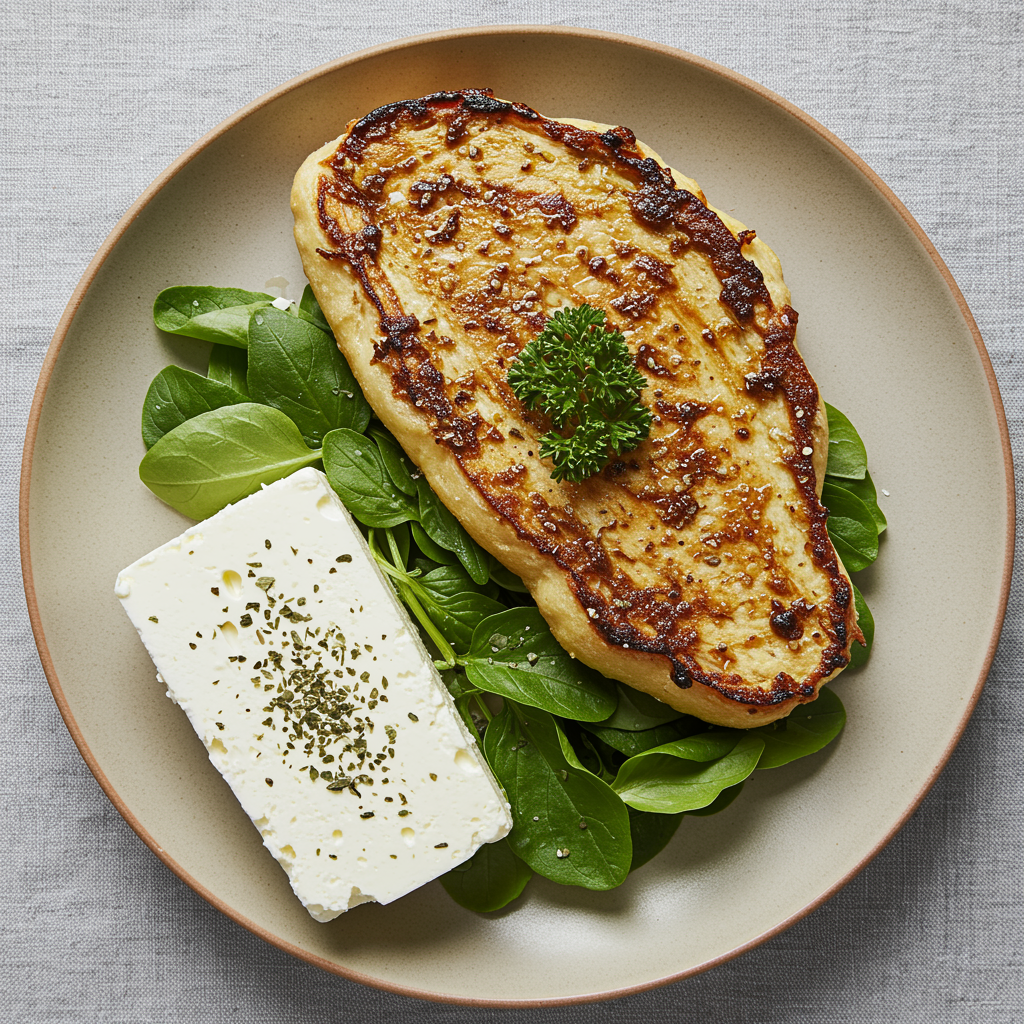
Feta is the king of Greek cheeses. It is a brined curd cheese made from sheep’s milk (or a mixture of sheep and goat). It is tangy, salty, and crumbly. In a meze spread, you might find it served plain with oregano, baked until soft, or wrapped in phyllo dough with honey and sesame seeds. Speaking of phyllo, savory pies like Spanakopita (spinach pie) and Tiropita (cheese pie) are staples of the Greek diet, often eaten as a mid-morning snack.
The Truth About The Greek Salad
If you want to cook like a Greek, you must unlearn what many restaurants serve as “Greek Salad.” An authentic Horiatiki (Village Salad) never contains lettuce. It is a rustic dish made of large chunks of tomato, cucumber, red onion, and Kalamata olives.
The dressing is simply olive oil and red wine vinegar. The feta is traditionally placed as a large block on top, not cubed. Dried oregano is sprinkled over everything. It is a summer dish that relies entirely on the ripeness of the tomatoes. In the winter, Greeks typically switch to a cabbage and carrot salad (Lahanosalata) instead.
Main Courses: From Mountains To Sea
Greece is a land of islands and mountains, and the food reflects this geography.
The Iconic Moussaka
Often called the Greek lasagna, Moussaka is a labor of love. It consists of layers of sautéed eggplant (and sometimes potatoes), a rich meat sauce spiced with cinnamon and cloves, and a thick layer of Béchamel sauce on top. It is comfort food at its finest, baking into a golden, bubbly masterpiece that feeds a crowd.
Souvlaki And Gyros
For students, this is likely the most familiar category. Souvlaki refers to small cubes of meat (usually pork or chicken) skewered and grilled over charcoal. Gyros, on the other hand, is meat cooked on a vertical rotisserie and shaved off in thin slices. Both are often wrapped in a warm, fluffy pita with tomatoes, onions, and tzatziki. It is the ultimate street food—cheap, protein-packed, and delicious.
Seafood Traditions
On the islands, the diet is heavy on seafood. Grilled octopus, sun-dried to concentrate the flavor before cooking, is a delicacy. Small fried fish (maridaki) are eaten whole like chips. The rule for Greek seafood is minimal intervention: fresh catch, charcoal fire, and a dressing of lemon and oil (Ladolemono).
Sweets And Coffee
Greek desserts are distinctively sweet, often soaked in syrup. The most famous is Baklava, made of layers of crispy phyllo pastry, chopped nuts, and spiced honey syrup. Another favorite is Loukoumades small fried dough balls drenched in honey and cinnamon, essentially Greek donuts.
Coffee is also a ritual. Greek coffee is boiled in a small pot called a “briki” and served with the grounds settled at the bottom of the cup. It is strong, thick, and meant to be sipped slowly over a long conversation.
Why Greek Food Is Perfect For Students
For the ChefLogic audience, Greek cuisine offers incredible value.
- Cost-Effective: Many dishes rely on beans, lentils, and seasonal vegetables (like Fasolada, the national bean soup), which are cheap and nutritious.
- Meal Prep: Dishes like Moussaka or Gemista (stuffed vegetables) taste even better the next day, making them perfect for lunchboxes.
- Simplicity: You do not need fancy equipment. A good knife, a pan, and a baking sheet are enough to cook 90% of Greek recipes.
Frequently Asked Questions
- What is the difference between Greek yogurt and regular yogurt?
- How do I stop my phyllo dough from drying out while cooking?
- Can I use cow’s milk feta for authentic flavor?
- Is Greek food suitable for vegetarians?
- What spices are used in Greek meat sauces?
Bringing The Mediterranean Home
Mastering Greek food is about learning to respect your ingredients. It teaches you that a tomato in season needs nothing more than salt and oil to be perfect. It teaches you that patience in marinating meat leads to better flavor than any expensive sauce.
Start simple. Buy a bottle of good Extra Virgin Olive Oil. Roast a chicken with lemon and potatoes (Kotopoulo sto Fourno). Make a real Horiatiki salad. You will quickly realize why this cuisine has stood the test of time. It is food that nourishes not just the body, but the soul.