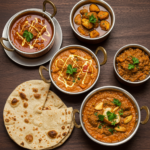

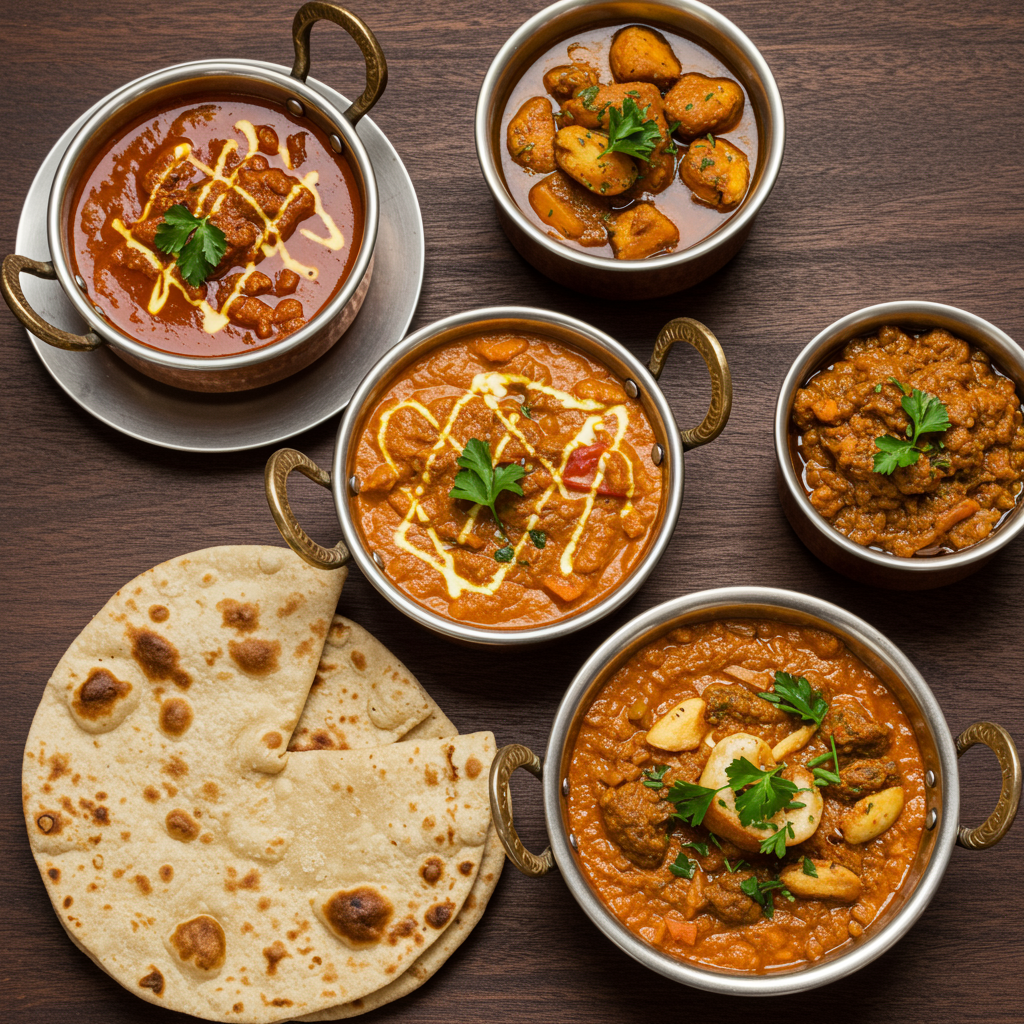
When most people think of Indian food, their minds immediately drift to the rich aroma of a creamy curry or the warmth of freshly baked naan bread. It is a cuisine that engages all the senses at once vibrant colors, intense fragrances, and a complexity of flavors that can be spicy, sweet, sour, and tangy all in a single bite. For a culinary student or an enthusiastic home cook, diving into Indian cuisine is like unlocking a new level of cooking. It challenges you to understand how ingredients interact and how simple spices can transform humble vegetables into a feast.
However, Indian food is often misunderstood. Many believe it is overwhelmingly spicy or incredibly difficult to cook at home. The truth is far more inviting. While the flavors are complex, the methods are rooted in logic and patience. Indian cuisine is not a monolith; it is a massive collection of regional cooking styles that change every hundred miles. From the buttery, rich gravies of the North to the spicy, coconut-driven dishes of the South, there is something for every palate. In this guide, we will break down the essential elements of Indian cooking, demystify the spice box, and give you the confidence to bring these global flavors into your own kitchen.
The Foundation: Understanding The Masala Dabba
To understand Indian food, you must first understand spices. In an Indian kitchen, spices are not just flavor enhancers added at the end; they are the main event. Most households possess a circular stainless steel container known as a “Masala Dabba” (spice box). This box usually contains the seven core spices that form the base of daily cooking.
The Holy Trinity And Beyond
At the heart of many dishes lies a combination of turmeric, coriander, and cumin. Turmeric provides that signature golden-yellow hue and an earthy, slightly bitter undertone. It is also valued for its antiseptic properties. Ground coriander adds a citrusy, floral note that thickens sauces, while cumin brings a warm, nutty aroma.
Beyond these three, you have chili powder for heat (ranging from mild Kashmiri chili to fiery Guntur peppers) and mustard seeds, which are essential in Southern and Eastern Indian cooking for their sharp, nutty pop when fried.
Whole Vs. Ground Spices
One concept that ChefLogic readers should grasp is the difference between using whole and ground spices. In Indian food, cooking often starts with whole spices—cinnamon sticks, cardamom pods, cloves, and bay leaves sizzling in hot oil. This process, known as “blooming,” infuses the oil with essential oils that permeate the entire dish. Ground spices are typically added later to form the body of the sauce. Knowing when to add which spice is the key to preventing them from burning and ensuring a balanced flavor profile.
North Vs. South: A Tale Of Two Kitchens
If you were to travel across India, you would realize that the food changes dramatically based on geography, climate, and culture. Broadly speaking, the two most distinct styles familiar to the rest of the world are North Indian and South Indian cuisines.
The Richness Of The North
North Indian food is likely what you encounter in most restaurants globally. The climate in the North is suitable for growing wheat, which is why breads like Naan, Roti, and Paratha are the staple staples rather than rice. The cuisine here was heavily influenced by the Persian and Mughal empires, leading to the use of rich ingredients like cream, butter, nuts, and dried fruits.
Dishes like Butter Chicken (Murgh Makhani) and Rogan Josh originated here. The cooking methods often involve a “Tandoor”—a clay oven used to bake breads and roast meats at incredibly high temperatures. The result is a smoky flavor that is hard to replicate in a standard home oven, though we can get close with the right techniques.
The Tropical Flavors Of The South
Head South, and the wheat fields are replaced by lush paddy fields and coconut palms. Consequently, rice becomes the center of every meal. South Indian food is generally lighter, spicier, and relies heavily on coconut oil, coconut milk, and tamarind for sourness.
Here, you will find dishes like Dosa (a fermented crepe made from rice and lentil batter) and Idli (steamed rice cakes). The flavors are sharp and tangy, often punctuated by the aroma of fresh curry leaves—a herb that looks like a bay leaf but smells like citrus and roasted nuts. For a student looking for healthy and gluten-free options, South Indian cuisine is a treasure trove.
The Art Of Tadka: The Secret Technique
If there is one technique that defines the soul of Indian food, it is “Tadka,” also known as tempering or chhonk. This is a method that can instantly upgrade your cooking, even if you are just making a simple lentil soup.
Tadka involves heating oil or ghee (clarified butter) in a small pan until it is smoking hot. Whole spices like cumin seeds, mustard seeds, dried red chilies, and sometimes aromatics like garlic or curry leaves are added to the hot fat. They crackle and pop, releasing their roasted flavors within seconds. This sizzling mixture is then poured over the finished dish just before serving.
The sound of the hot oil hitting a pot of dal (lentils) is the soundtrack of an Indian kitchen. This technique adds a layer of complexity and texture that slow cooking alone cannot achieve. It is a perfect example of how heat management—a core principle at ChefLogic—changes the chemical structure of ingredients to create flavor.
Essential Ingredients For Your Pantry
You do not need to buy the entire grocery store to start cooking Indian food. However, stocking a few essentials will allow you to make hundreds of different dishes.
- Ghee: This is clarified butter where the milk solids have been removed. It has a high smoke point and a nutty flavor that oil cannot match. It represents the taste of luxury in Indian cuisine.
- Ginger and Garlic Paste: Almost every curry starts with a base of onions, followed by a spoonful of crushed ginger and garlic. You can make this fresh or buy it in jars, but fresh always tastes better.
- Basmati Rice: This long-grain rice is prized for its aroma. When cooked correctly, the grains remain separate and fluffy, unlike the sticky rice used in East Asian cuisine.
- Lentils (Dal): There are dozens of varieties, from yellow (Toor) to red (Masoor) to black (Urad). They are a massive source of protein and the comfort food of the nation.
- Garam Masala: This translates to “hot spice mix.” It is a blend of warming spices like cinnamon, cardamom, cloves, and nutmeg. Unlike other spices, it is often sprinkled at the very end of cooking to preserve its delicate aroma.
Common Myths About Indian Cooking
Myth 1: It Is Always Unbearably Spicy
Heat is optional. The heat in Indian food comes from fresh green chilies or dried red chili powder. You have full control over this. Many dishes, especially those with cashew or cream bases (like Korma), are mild, sweet, and aromatic rather than hot.
Myth 2: It Is Unhealthy
While restaurant food can be heavy on cream and oil, home-cooked Indian food is incredibly balanced. It relies heavily on vegetables, legumes, and lean meats. The spices used, such as turmeric and ginger, are potent anti-inflammatories.
Myth 3: You Need A Tandoor
While you might not have a clay oven, you can replicate the effect. For breads, a cast-iron skillet gets very hot and creates the charred bubbles we love on Naan. For meats, using the broiler setting in your oven can mimic the high, direct heat of a Tandoor.
Starting Your Journey With A Classic: Dal Tadka
For students and beginners, the best entry point is Dal Tadka. It is cheap, nutritious, and forgiving. You simply boil yellow lentils with water, turmeric, and salt until they break down into a soup. Then, in a separate small pan, you make your tadka: heat ghee, add cumin seeds, chopped garlic, and a dried chili. Pour this sizzling oil over the lentils, garnish with fresh cilantro, and serve with steamed rice.
This simple dish teaches you the balance of textures and the importance of tempering. Once you master this, you can move on to sautéing bases for curries, marinating meats for the grill, and eventually trying your hand at the complex layering required for a Biryani.
Frequently Asked Questions
- What is the difference between curry powder and Garam Masala?
- How can I fix a curry that is too spicy?
- Is Indian food gluten-free friendly?
- Why does my homemade curry taste bitter?
- Can I substitute olive oil for ghee?
Bringing It All Together
Indian food is about intuition and adaptation. Recipes are often passed down orally, with measurements like “a pinch of this” or “a handful of that.” As you cook, taste constantly. Does it need more sourness? Add a squeeze of lemon or tamarind. Is it too flat? Add a pinch of salt or a finish of Garam Masala.
At ChefLogic, we encourage you to experiment. Don’t be afraid of the long ingredient lists; usually, half of them are just spices that go into the pot at the same time. Embrace the process, enjoy the aromas that fill your kitchen, and prepare to fall in love with one of the world’s most dynamic cuisines.